
The days of single-treatment approaches in aesthetics are fading quickly. Patients increasingly arrive at clinics requesting combination therapies – multiple treatments working together to address different aspects of facial ageing or enhancement. This shift reflects a more sophisticated understanding of how aesthetic treatments actually work.
Facial ageing isn’t a single problem with a single solution. Volume loss happens in certain areas whilst skin laxity affects others. Fine lines develop from repetitive muscle movements, but texture issues come from sun damage and cellular turnover. Addressing just one element whilst ignoring the others gives incomplete results.
Patients have cottoned on to this reality. They’ve seen enough before-and-after photos to understand that the most impressive transformations typically involve layered approaches. A bit of filler here, some skin tightening there, perhaps laser resurfacing to address texture – the results compound in ways that single treatments simply can’t match.
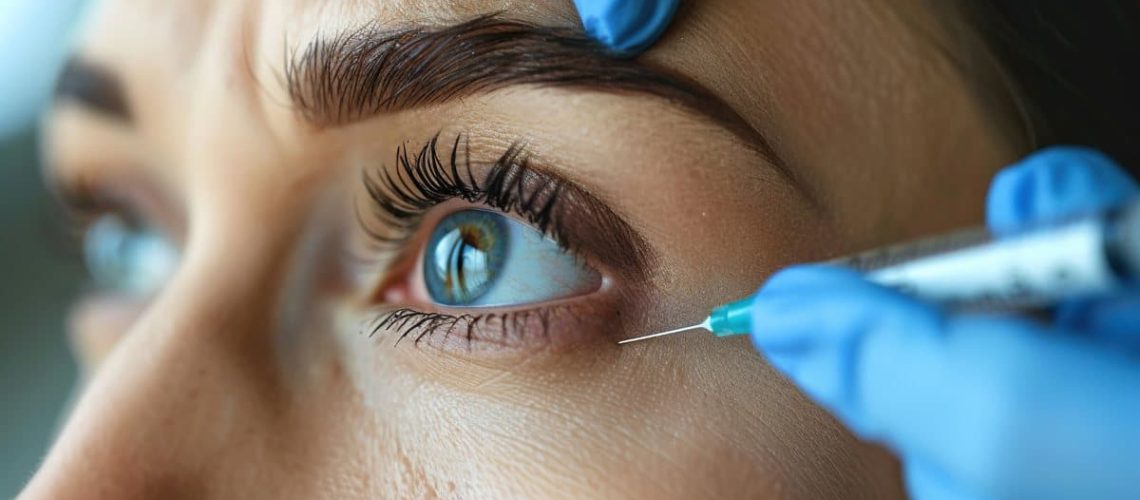
Combination therapies work because they target different layers and structures of the skin simultaneously. Anti-wrinkle injections relax the muscles that create dynamic lines. Dermal fillers restore lost volume in the deeper fat compartments. Skin boosters improve hydration and texture at the dermal level. Laser treatments address pigmentation and stimulate collagen in the superficial layers.
When you combine these treatments strategically, you’re essentially addressing the full spectrum of aesthetic concerns rather than just one isolated issue. The synergistic effect often produces results that look more natural too, because you’re enhancing multiple aspects of facial appearance rather than over-correcting a single area.
Modern aesthetic patients tend to be well-researched. They arrive at consultations with specific treatment combinations in mind, often gleaned from social media or recommendations from friends. The conversation has evolved from “can you fix this?” to “I’m thinking Botox for my forehead, filler for my cheeks, and maybe some skin boosting – what do you think?”
This sophistication benefits everyone. Patients who understand that achieving their desired results might require multiple modalities are more realistic about timelines, costs, and outcomes. They’re not expecting a single syringe of filler to reverse a decade of ageing.
Certain treatment pairings have become standard in aesthetic practice. Combining dermal fillers with other treatments like anti-wrinkle injections creates what’s often called a “liquid facelift” – restoring volume whilst simultaneously smoothing dynamic wrinkles.
Another popular combination pairs skin boosters with laser treatments. The skin boosters improve hydration and skin quality from within, whilst laser therapy addresses surface concerns like pigmentation or texture. The treatments complement each other beautifully, often producing results neither could achieve alone.
From a practice perspective, combination therapies represent a more sustainable business model. Patients who commit to comprehensive treatment plans tend to be more satisfied with their results, which translates to better retention and more referrals. They’re also typically willing to invest more because they understand they’re getting superior outcomes.
Treatment packages have become increasingly common. Clinics might offer a rejuvenation package that includes Botox, filler, and a course of skin boosters at a bundled price point. This approach makes combination therapies more financially accessible whilst ensuring patients complete the full protocol rather than cherry-picking treatments.
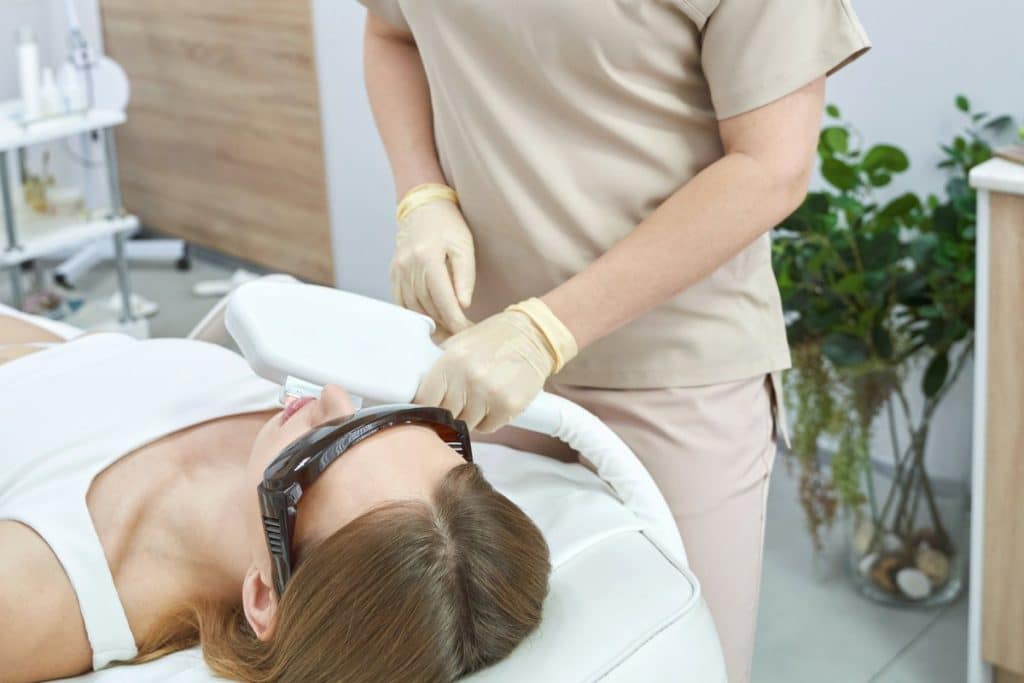
Not all combination therapies happen simultaneously. Understanding the optimal sequencing of treatments is crucial for achieving the best results. Some protocols require spacing treatments apart by weeks or months, whilst others work best when performed during the same appointment.
For instance, you might perform anti-wrinkle injections first, wait two weeks for them to settle, then add dermal fillers once you can see how the muscle relaxation has affected facial contours. Other combinations, like adding skin boosters after filler placement, can happen during the same session without issue.
If you’re entering the aesthetics field, understanding combination therapies is no longer optional – it’s essential. Patients expect practitioners who can create comprehensive treatment plans rather than just performing isolated procedures. This requires a deeper understanding of facial anatomy and how different treatments interact.
Getting proper training that covers multiple treatment modalities gives you a significant advantage. Patients want to work with practitioners who can deliver complete solutions rather than referring them elsewhere for additional treatments. In fact, the career advice for new aesthetic professionals increasingly emphasises this multi-skilled approach.
No two faces age identically, which means combination therapies need to be highly customised. What works brilliantly for one patient might be completely wrong for another, even if they’re the same age and have similar concerns. The art lies in assessing individual facial anatomy and creating bespoke treatment combinations.
This level of customisation requires genuine expertise. You need to understand not just how to perform each treatment, but how they interact, which combinations produce the best results for specific concerns, and how to adjust protocols based on individual patient responses.
Combination therapies typically require multiple sessions and ongoing maintenance. Setting realistic expectations about timelines and costs is crucial. Patients need to understand that achieving and maintaining optimal results is an investment, both financially and in terms of time commitment.
The conversation should include maintenance schedules too. Some treatments require top-ups every few months, whilst others last longer. Helping patients understand the full picture prevents disappointment and ensures they’re making informed decisions about their aesthetic journey.
Industry data suggests combination therapies are becoming the norm rather than the exception. Patients who start with a single treatment often progress to combination approaches once they understand the limitations of isolated procedures. This trend shows no signs of reversing – if anything, it’s accelerating as patient education improves.
For practitioners, this represents both opportunity and responsibility. The opportunity lies in offering more comprehensive services and building longer-term patient relationships. The responsibility involves ensuring you have the training, skill, and judgement to create safe, effective treatment combinations that genuinely serve your patients’ best interests.