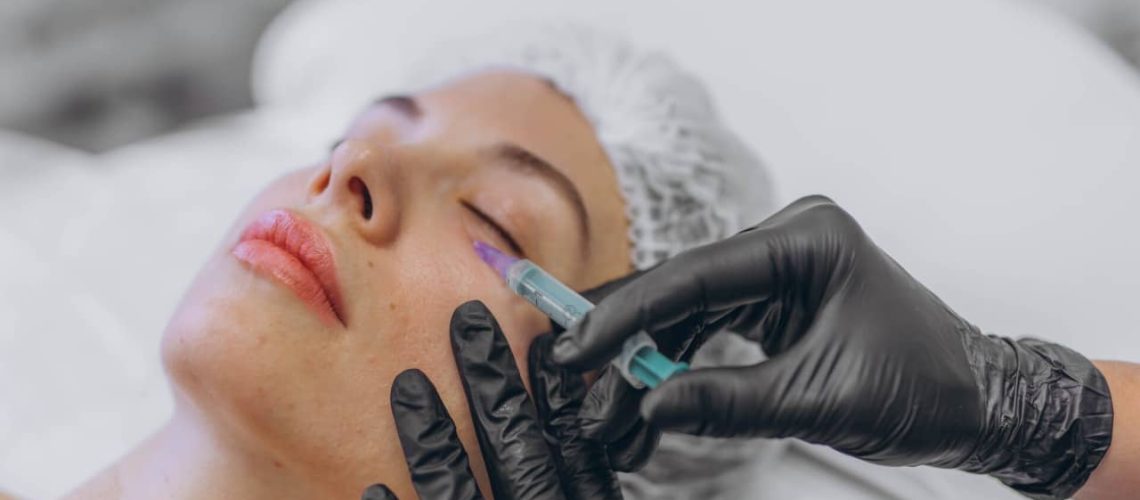

Curiosity around dermal fillers has grown rapidly in the past decade, and it’s not hard to see why. They promise subtle yet noticeable enhancements – without the downtime of invasive surgery. But the more popular they’ve become, the more questions have emerged. What exactly are dermal fillers? How long do they last? And are dermal fillers safe for everyone? There’s nuance to each of these questions, and skipping past the details is where many people go wrong.
Let’s start with the basics before diving into the risks, longevity, and what you should consider if you’re seriously thinking about this treatment.
At their core, dermal fillers are injectable gels designed to add volume, smooth lines, and enhance facial contours. The most common fillers are made with hyaluronic acid – a substance naturally found in the skin that retains water, keeping tissues hydrated and plump. Others use materials like calcium hydroxylapatite or poly-L-lactic acid, each with slightly different properties and effects.
Why choose fillers over surgery? For one, the results are immediate and relatively low-risk when done correctly. There’s also no lengthy recovery period. You can walk out of a clinic and resume most daily activities the same day. But that convenience doesn’t mean it’s a decision to take lightly. The injection technique, the type of filler, and the practitioner’s expertise all play critical roles in both safety and results.
Still, the simplicity of the process can sometimes create a false sense of security. It’s easy to assume that because it’s non-surgical, the stakes are low. That’s not quite the case.
This is where expectations often clash with reality. Dermal fillers aren’t permanent, and their longevity varies depending on the product, the area treated, and even individual metabolism. On average, hyaluronic acid fillers last anywhere from six to eighteen months. Products formulated for deeper tissue layers or structural support tend to last longer – sometimes up to two years.
But it’s never a set-and-forget scenario. Over time, the filler gradually breaks down and is absorbed by the body. Some people metabolise fillers faster, leading to shorter results, while others see subtle traces for longer periods. Lifestyle also matters – frequent exercise, sun exposure, and smoking can all accelerate breakdown.
Here’s the tricky part: the fading process isn’t always even. You might notice that certain areas, like the lips, lose volume more quickly than the cheeks. That’s completely normal and part of why touch-up sessions are often recommended.

The short answer? Yes, when performed by a qualified, experienced practitioner using approved products. But “safe” is relative. Not only are there mild risks like bruising and swelling, but there are also rare complications such as vascular occlusion, where filler unintentionally blocks blood flow. These risks underscore why choosing a professional isn’t negotiable.
And here’s where training comes into play. A practitioner’s knowledge of facial anatomy is everything. A poorly placed injection can create unnatural results or worse – medical complications. That’s why advanced training, like a high-level program for skilled practitioners, is considered essential in the aesthetics industry. It’s not about learning how to inject; it’s about knowing precisely where not to inject.
Safety is evolving too. There’s growing emphasis on improving dermal filler safety using ultrasound technology: this allows practitioners to map facial vessels in real time, reducing the chance of complications. It’s not yet standard everywhere, but the momentum is building.
This is where the conversation shifts from “can I get fillers?” to “should I get fillers?” It’s not just about wanting fuller lips or smoother lines. It’s about asking the right questions:
These aren’t questions to skim over. They form the backbone of a safe, informed decision. And if any answer feels vague or rushed, that’s a red flag.
There’s also the matter of expectations. Fillers can create beautiful enhancements, but they won’t fundamentally change bone structure or erase deep-set issues. Sometimes, less is more. Overfilling is one of the most common mistakes, and it often leads to the unnatural “pillow face” look that has become a cautionary tale in aesthetics.
Dermal fillers offer a powerful tool for subtle yet impactful enhancements, but they demand careful consideration. Not only is the choice of practitioner crucial, but understanding what’s being injected – and how it interacts with your face – matters just as much. Longevity varies, safety depends on expertise, and results should feel like an enhancement of your features rather than a mask.
If you’re leaning toward treatment, take your time. Research practitioners, ask the tough questions, and remember that non-surgical doesn’t mean risk-free. With the right approach, fillers can deliver natural, confidence-boosting results – but only when every step is taken with precision and care.