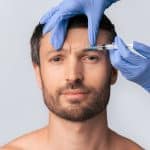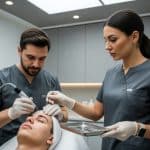
Something fundamental has shifted in the aesthetics industry over the past decade. Non-surgical procedures now account for roughly 90% of all cosmetic treatments performed in the UK, and the gap keeps widening. This isn’t just a trend – it’s a complete restructuring of what people expect from aesthetic enhancement.
You can walk into a clinic during your lunch break, have dermal fillers or anti-wrinkle injections, and be back at your desk within the hour. That simple fact has changed everything. Traditional surgical procedures required weeks of downtime, visible bruising, and careful social planning to hide your recovery. Non-invasive treatments eliminated those barriers entirely.
The convenience factor shouldn’t be underestimated. People lead busy lives, and the idea of taking two weeks off work for a facelift simply doesn’t fit most schedules. When you can achieve noticeable results without disrupting your routine, the decision becomes considerably easier.
Social media’s done something interesting here. Before-and-after photos flood Instagram and TikTok, but the most engaging content isn’t dramatic surgical transformations anymore. It’s subtle improvements from injectables and skin treatments on people who look relatable. You see realistic results on faces that could be your colleagues or friends, not just celebrities with unlimited budgets.
The stigma has genuinely diminished. Getting Botox or trying a chemical peel doesn’t require the secrecy it once did. There’s been a broader cultural acceptance that maintaining your appearance through professional treatments is simply another form of self-care, no different from joining a gym or seeing a dermatologist for skincare.
The procedures themselves have evolved dramatically. Treatments that previously required surgical intervention can now be performed with ultrasound, radiofrequency, or precisely formulated injectables. Skin tightening that once meant a surgical facelift can now be achieved through HIFU technology or PDO thread lifts.
Safety profiles matter enormously to patients. Non-invasive treatments carry significantly lower risks than surgery, with minimal downtime and fewer potential complications. You’re not dealing with general anaesthesia, extensive wound healing, or permanent alterations that can’t be reversed if you change your mind.
Here’s what often gets overlooked – non-invasive treatments have made aesthetic enhancement accessible to demographics that couldn’t previously afford it. Surgical procedures can run into tens of thousands of pounds. You can start with treatments like dermal fillers for a few hundred.
The payment structure differs too. Many clinics offer treatment packages or staged plans, letting clients spread costs over several months. It’s a lower barrier to entry, which explains why the client base has expanded well beyond the traditionally wealthy demographics that dominated aesthetic medicine twenty years ago.

If you’re considering entering the aesthetics field, this trend represents genuine opportunity. Demand for skilled practitioners who can perform most popular non-surgical aesthetic procedures continues to outpace supply in many UK markets.
Training matters more than it ever has, though. As treatments become more sophisticated and combination therapies more common, clients expect practitioners who genuinely understand facial anatomy and treatment planning. It’s not enough to simply know injection technique – you need to grasp the artistry and science behind creating natural-looking results that enhance rather than alter.
Modern aesthetic clinics bear little resemblance to medical facilities from two decades ago. The entire experience has been reimagined around comfort and convenience. Online booking systems, minimal wait times, and practitioners who actually listen to what you want rather than pushing procedures you don’t need.
Consultations have become more collaborative. Patients arrive having done considerable research, often with specific treatments in mind. The best practitioners work with that knowledge, creating treatment plans that align with realistic expectations rather than dismissing patient input.
The medical aesthetics market is projected to reach over £15 billion globally by 2027, with non-invasive procedures driving the majority of that growth. In the UK specifically, the sector has been growing at roughly 10% annually, even through economic uncertainties that affected other industries.
This isn’t a temporary spike. The demographic trends support sustained growth. As millennials age into their late thirties and forties, they’re entering prime years for preventative aesthetic treatments, and they’ve already demonstrated they’re comfortable with these procedures.
For healthcare professionals looking to expand their practice, aesthetics offers a compelling career path. The demand exists, the treatments are constantly evolving, and patient satisfaction rates are notably high when procedures are performed correctly.
Getting properly trained through accredited programmes for cosmetic practitioners sets you apart in an increasingly competitive market. Patients are becoming more discerning about who they trust with their appearance, and credentials genuinely matter.
The rise of non-invasive treatments isn’t just changing the aesthetics industry – it’s democratising access to procedures that help people feel more confident. That’s a shift worth paying attention to, whether you’re a patient or a practitioner.