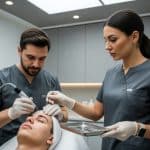
The demographics of aesthetic clinics have shifted noticeably over the past five years. Men now represent roughly 15-20% of patients seeking cosmetic treatments in the UK, and that percentage climbs steadily each year. This isn’t a minor blip in the data – it represents a fundamental change in how men approach personal appearance and self-care.
There’s been genuine cultural movement around men and grooming. What would have required whispered conversations five years ago is now discussed openly in gyms, offices, and social settings. Men aren’t just buying skincare products anymore – they’re booking appointments for Botox, fillers, and laser treatments without the secrecy that used to surround these procedures.
Social media has played an interesting role here. Male influencers and celebrities talking openly about their treatments has normalised the entire conversation. When high-profile figures admit to getting aesthetic work done, it removes the shame or embarrassment men might feel about seeking similar treatments.
Workplace dynamics have shifted considerably. In competitive industries, looking refreshed and energetic matters. Men in their forties and fifties often find themselves competing with younger colleagues, and maintaining a youthful appearance has become part of professional presentation rather than vanity.
Video calls haven’t helped either. Spending hours staring at your own face on Zoom has made many men hyper-aware of under-eye bags, forehead lines, or sagging jowls. It’s one thing to notice these changes in the mirror – it’s quite another to see them magnified on a screen for eight hours daily.
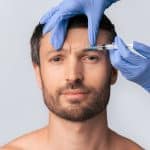
Men tend to request subtlety above everything else. They want to look refreshed and well-rested, not obviously “done.” Anti-wrinkle injections around the eyes and forehead remain the most popular entry point, followed by treatments targeting under-eye hollows and jawline definition.
Hair loss treatments have seen massive uptake too. Procedures combining PRP therapy with other regenerative treatments are particularly popular because they offer natural-looking results without the obvious appearance of older hair transplant techniques. Men want solutions that don’t announce themselves.
The industry coined the term “Brotox” somewhat jokingly, but it reflects a real phenomenon. Groups of male friends sometimes book appointments together, treating it as casually as they would a gym session. This social normalisation has been crucial in breaking down the perception that aesthetic treatments are exclusively feminine territory.
Some corporate wellness programmes are starting to include aesthetic consultations alongside traditional health screenings. Forward-thinking companies recognise that helping employees feel confident about their appearance contributes to overall wellbeing and performance.
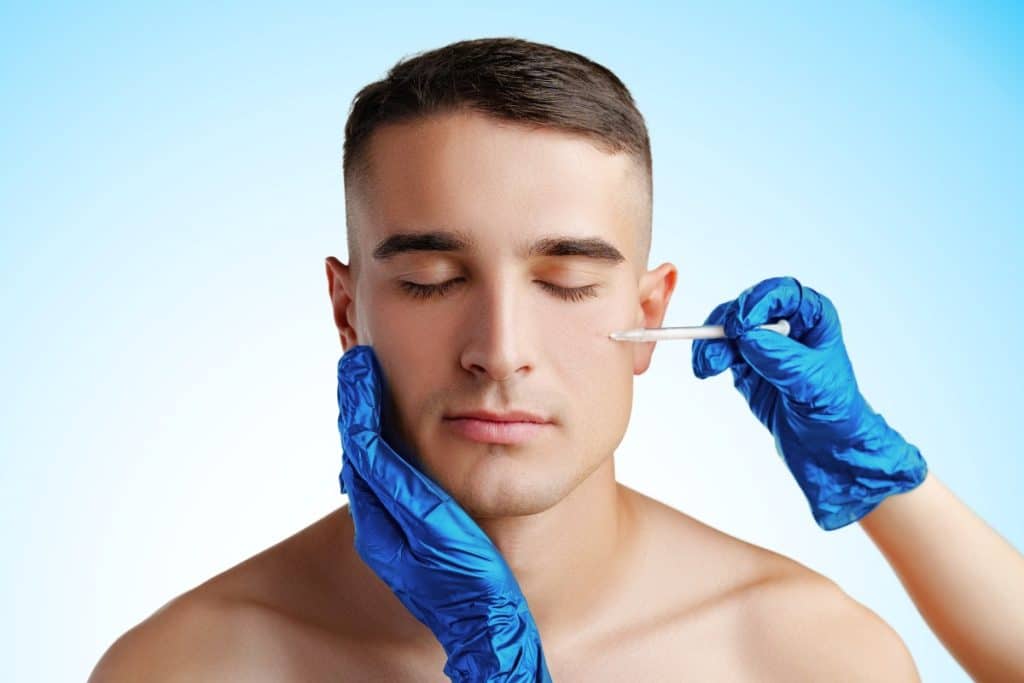
It’s not just older men seeking treatments anymore. Men in their late twenties and early thirties are booking preventative treatments, particularly anti-wrinkle injections, to delay the formation of deep lines. This represents a significant shift from previous generations who typically waited until concerns became pronounced.
The approach differs from older patients too. Younger men often view aesthetic treatments as part of a broader wellness routine that includes fitness, nutrition, and skincare. It’s preventative maintenance rather than corrective intervention.
Many men still arrive at their first consultation worried about pain, downtime, or obvious results. The reality is that modern injectable techniques are relatively comfortable, and most non-invasive treatments require minimal to no recovery time. You can have Botox during a lunch break and return to work immediately.
Understanding myths about aesthetic treatments helps address the hesitation many men feel about booking that first appointment. The treatments aren’t as dramatic, painful, or time-consuming as they might imagine from outdated information or horror stories.
If you’re considering entering the aesthetics field, understanding male patients’ specific concerns and treatment goals is increasingly important. Men typically want straightforward consultations without excessive sales tactics, and they value practitioners who understand masculine facial anatomy.
The injection techniques can differ slightly too. Male faces have different fat distribution patterns, muscle mass, and skin thickness compared to female faces. Proper training through beginner-friendly education in aesthetics should cover these anatomical differences and how they affect treatment planning.
The male aesthetic market is growing faster than the overall aesthetics sector, with some estimates suggesting 20-30% annual growth in male patients. This isn’t a temporary trend – the demographic shift suggests sustained growth as younger generations of men continue to embrace aesthetic treatments as routine self-care.
Clinics that market specifically to male clients are seeing strong results. Some have created separate spaces or appointment times specifically for men, recognising that the traditional spa-like aesthetic clinic environment doesn’t appeal to everyone.
What’s happening with male aesthetics mirrors broader cultural shifts around masculinity and self-care. The rigid definitions of what’s “acceptable” for men to care about are dissolving. Appearance maintenance is increasingly viewed as sensible self-investment rather than vanity.
This represents genuine opportunity for practitioners who can communicate effectively with male patients and deliver the subtle, natural results they’re seeking. The market’s there, growing, and shows no signs of slowing down.