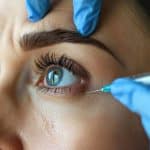
In aesthetics, managing patient expectations is as important as mastering technique. Even the best results can feel disappointing to a client if they expected something unrealistic. The truth is, success in this field isn’t just about perfect filler placement or flawless skin treatments – it’s about communication, honesty, and emotional intelligence. When expectations are handled well, you build trust, reduce complaints, and turn clients into loyal advocates for your work.
Here are eight expert-backed tips to help you set and manage expectations effectively while maintaining professionalism and compassion in every consultation.
The consultation sets the tone for everything that follows. This is your opportunity to understand your client’s goals, motivations, and level of knowledge. Ask open-ended questions like “What’s motivating you to get this treatment?” or “What outcome are you hoping for?” Their answers often reveal not just aesthetic desires, but emotional expectations too.
If a client expects a result that isn’t achievable – for example, total wrinkle removal or dramatic structural change without surgery – be honest early. Explaining what’s possible in realistic terms prevents future disappointment and establishes you as a practitioner who values transparency over sales.
You can learn more about the importance of patient consultation – and how it forms the foundation of a safe, ethical aesthetic journey – on our blog.
Words like “natural,” “refreshed,” or “subtle” mean different things to different people. Visual aids help bridge that gap. Show before-and-after photos of similar treatments, use diagrams, or even mirror exercises to illustrate what specific improvements could look like.
This ensures your definition of “a natural look” aligns with your client’s – and helps them see that realistic changes often have the biggest long-term impact.
Clients often focus solely on the end result. It’s your role to explain the process – how long results will take, what side effects may occur, and how many sessions might be needed. For instance, some treatments deliver immediate improvement, while others (like skin rejuvenation) require multiple visits before changes appear.
Setting out a treatment plan with a clear timeline helps clients feel informed and reassured. They’ll know what to expect at every stage and will be less likely to panic if healing or swelling occurs.
Aesthetic work often attracts clients who are detail-oriented or self-critical. While that can be positive, it can also lead to perfectionism – expecting results beyond what’s possible or necessary. The best practitioners approach this with empathy, not judgement.
If a client expresses extreme dissatisfaction with their appearance or focuses obsessively on minor flaws, it might signal body dysmorphic tendencies. Handle these situations gently and professionally. Sometimes the ethical choice is to decline treatment or refer them to counselling support rather than proceed with a procedure that could cause harm.
It’s always safer to set modest expectations and exceed them than to oversell results. Clients appreciate practitioners who are realistic rather than overly optimistic. When results turn out better than anticipated, it builds trust and credibility.
Even small improvements can make a big emotional difference if clients were prepared for subtle results. The aim isn’t perfection – it’s balance, confidence, and harmony.

Good communication doesn’t end when the procedure is done. Follow up after treatment to check how your client is healing and how they’re feeling about their results. Even a short text or email can make clients feel supported and valued.
This is also the perfect time to manage post-treatment expectations – explaining that swelling, redness, or asymmetry can be temporary. Clients who feel guided and cared for are far less likely to panic or complain if results take time to settle.
Staying up to date with new technologies and techniques allows you to guide patients with authority. When you’re confident in your knowledge, you can explain options clearly and prevent misinformation from social media or influencers from shaping client expectations.
Encourage patients to think critically about online trends and celebrity “aesthetic ideals.” It’s your job to translate these into medically sound, achievable goals. If you’re still building your professional foundation, foundation learning in beauty and aesthetics can help strengthen both your technical skills and patient communication.
It takes confidence and integrity to turn away business – but sometimes it’s the most ethical choice. If a client’s expectations are unrealistic, their mental health is fragile, or you believe the requested treatment could harm their appearance, it’s your responsibility to decline.
Explaining your reasoning calmly and professionally maintains respect. Most clients appreciate honesty once they understand your motivation is care, not rejection. Saying “no” when necessary protects both you and your client – and strengthens your reputation as a trustworthy practitioner.
When expectations are handled poorly, even technically perfect results can lead to complaints, negative reviews, or emotional distress. Managing expectations protects your reputation, minimises legal risks, and builds long-term loyalty. It also reduces practitioner stress – because confident, informed clients are easier to work with.
Think of it as emotional risk management. Clear communication and empathy prevent misunderstandings before they happen, saving both you and your client from frustration later on.
Aesthetics isn’t just physical transformation – it’s emotional. Clients come to you with hopes tied to self-image, relationships, and confidence. Understanding this psychology helps you guide them toward satisfaction rather than disappointment.
People process change differently; some may struggle to adjust to subtle enhancements or temporary side effects. Taking time to discuss the emotional side of treatment makes clients feel seen as whole individuals, not just “cases.”
When clients feel emotionally understood, they’re far more forgiving of minor imperfections and more likely to return for future care.
Transparency builds loyalty. Clients are more likely to return to practitioners who are honest about costs, maintenance, and realistic longevity of results. This trust extends beyond one treatment – it lays the foundation for a lifelong professional relationship.
Always be upfront about maintenance requirements, follow-up visits, and the fact that aesthetic results evolve over time. By helping clients understand the journey, not just the outcome, you set them up for satisfaction rather than frustration.
Expectation management isn’t just communication – it’s ethics in action. The most successful practitioners blend empathy with professionalism. They listen deeply, explain thoroughly, and act in the client’s best interest – even when that means turning down a request.
Ethical communication builds credibility, and credibility builds business. In aesthetics, a reputation for honesty and care is more valuable than any marketing strategy.
Managing patient expectations is both an art and a science. It’s about balancing optimism with realism, empathy with professionalism. By communicating clearly, educating continuously, and always prioritising honesty, you can create a practice rooted in trust, satisfaction, and genuine transformation.
The best practitioners don’t just enhance faces – they empower people. And that starts with managing expectations, one honest conversation at a time.