The beauty industry has always been diverse, but in recent years the distinction between medical and non-medical aesthetics has become more pronounced. It’s a line that matters not just for practitioners but also for clients seeking treatments. Understanding where that line falls – what belongs in the medical sphere, and what is purely cosmetic – helps to clarify who should be carrying out specific procedures, what training is required, and how regulation shapes practice.
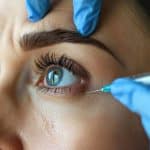
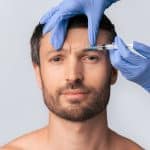
Medical aesthetics sits at the intersection of medicine and beauty. These treatments often involve invasive or semi-invasive procedures that go beneath the surface of the skin. The defining feature is that they must be carried out by healthcare professionals – or at the very least under their supervision – because the risks involved go beyond surface-level beauty concerns.
We’re talking about treatments like dermal fillers, anti-wrinkle injections, chemical peels at high strengths, and certain forms of laser therapy. Not only are these procedures technically complex, but they also carry potential complications. Bruising, infection, allergic reaction, or worse – if someone without proper training attempts them, the consequences can be severe.
So, medical aesthetics isn’t simply about achieving a look; it’s about doing so safely, with practitioners trained to recognise complications and act immediately if something goes wrong.
Non-medical aesthetics, by contrast, covers the kind of treatments most people would recognise from salons and spas. These include facials, waxing, basic skin peels, microdermabrasion, lash lifts, brow shaping, and more.
The key difference lies in the level of risk. Non-medical procedures are typically surface-level, with minimal chance of serious complication. That’s not to say they’re unskilled – far from it – but they don’t require medical training to perform.
For many professionals, non-medical aesthetics is where their career begins. It offers a foundation in client care, practical technique, and business building. And for clients, these treatments deliver visible improvements without the medical context.
The division between medical and non-medical aesthetics becomes most visible when you look at training requirements. Healthcare professionals entering the aesthetics industry need to meet strict benchmarks. Their work often counts toward CPD, and regulatory bodies oversee their progression.
On the non-medical side, training is less centralised. There are still accredited courses and qualifications, but the landscape is more fragmented. A skilled beauty therapist can be highly trained in their field without needing the kind of clinical background required in medical aesthetics.
This is why discussions around CPD requirements in medical aesthetics matter so much. Without ongoing professional development, standards slip, and patient safety is at risk. For non-medical practitioners, CPD may not be mandatory, but it still helps maintain professional credibility.
Another major point of divergence is regulation. Medical aesthetics falls under healthcare legislation in many regions, meaning practitioners must adhere to strict standards, not just in their procedures but also in record-keeping, aftercare, and even the products they use.
Non-medical treatments, however, are subject to lighter regulation. Standards are usually set by industry bodies or local authorities rather than by national healthcare regulators. This gap has sparked debate in recent years, especially as the aesthetics industry grows and the boundaries between treatments blur.
The result is a patchwork: some procedures sit in a grey area. Take microneedling, for instance. At shallow depths, it’s non-medical; at greater depths, it crosses into medical territory. That blurred line makes clear definitions all the more critical.

For practitioners, the choice between medical and non-medical aesthetics often comes down to background and ambition. A qualified nurse or doctor might view aesthetics as an extension of their clinical career, while a beauty therapist may see it as an opportunity to expand their salon offerings.
Yet the two paths aren’t entirely separate. Increasingly, beauty professionals are seeking additional qualifications to expand into medical territory. Courses such as the Level 7 (aka the next level in aesthetics certification) exist precisely for this purpose. They bridge the gap, offering advanced training to those ready to handle procedures that require deeper medical knowledge.
From the client’s perspective, the distinction can feel blurry. Many don’t realise that a lip filler, for example, isn’t in the same category as a lash lift. But this lack of awareness doesn’t change the risks.
Clients may assume that because a treatment is widely available, it must be safe. In reality, the difference between medical and non-medical aesthetics can mean the difference between a mild side effect and a serious complication. This places an added responsibility on practitioners to communicate clearly, ensuring clients understand what they’re signing up for.
To ground the distinction more firmly, consider the following overview:
It’s not just about the procedures themselves but also about the frameworks around them – training, accountability, and regulation.
The line between medical and non-medical aesthetics isn’t arbitrary; it’s grounded in risk, regulation, and responsibility. Not only is this distinction important for practitioners choosing their career path, but it directly affects client safety and trust.
The two fields overlap in interesting ways, but they remain distinct in terms of requirements and consequences. Medical aesthetics demands clinical knowledge and adherence to strict oversight, while non-medical aesthetics thrives in a space where creativity and client experience take centre stage.
For anyone considering moving from one path to the other, the key is education. With the right training, practitioners can safely expand their expertise and meet the growing demand for advanced procedures – without blurring the boundaries that protect clients.
In the end, understanding the difference isn’t just about drawing lines in the sand. It’s about recognising what makes each field valuable, and why respecting those distinctions is essential for the future of the industry.