
The world of treatments can feel like a blur of glossy terms, sleek Instagram reels, and clinical white rooms that look more like sci-fi labs than places to sit back and relax. People talk about aesthetics and beauty almost interchangeably, but there is, in fact, a line – albeit a thin, sometimes fuzzy one – between the two. And knowing that line is useful if you’re considering a career in treatments or simply curious about what goes on behind those doors marked “aesthetics.”
Beauty treatments are, in many ways, the entry-level gateway into the self-care universe. Think facials, manicures, pedicures, massages, waxing – services that often fall into the “pampering” category. They make you feel good, help maintain appearance, and sometimes provide an immediate but temporary lift.
They’re also generally non-invasive. You’ll rarely find needles in a beauty salon (unless we’re stretching the definition and counting micro-needling, which sits in that awkward in-between space). Instead, beauty focuses on relaxation, surface-level improvements, and upkeep.
We’ve all seen how people leave a nail appointment – hands held up proudly like trophies. Or how a simple facial can add glow for a weekend party. These treatments have their place, but they are not designed to fundamentally alter or medically enhance your skin or features. They maintain. They soothe. They decorate.
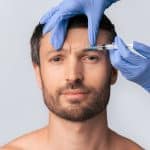
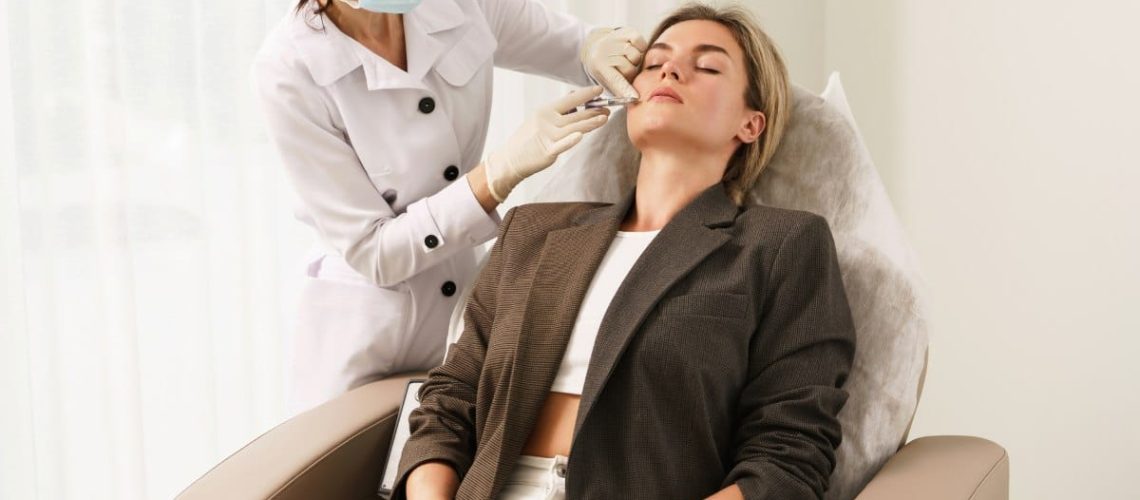
Here’s where things become more medical, more precise, and – if we’re honest – a little more intimidating for some. Aesthetic treatments typically involve procedures that go beneath the surface. Botox, dermal fillers, chemical peels, laser therapies – these aren’t just about making you feel good in the moment, they’re about producing noticeable, longer-lasting results.
The term itself has roots in medicine, which explains the clinical vibe that surrounds it. Practitioners often need specific qualifications, and regulations are tighter. It’s less about a spa day and more about controlled intervention with outcomes measured in months or even years.
If you’re curious about what counts as aesthetic treatment, you’ll find it’s often the things that need skill, medical oversight, and an understanding of anatomy – not just polish and paint.
And yes, needles are definitely involved.
We can’t pretend there’s a neat dividing line. Beauty and aesthetics bleed into each other in certain areas. Advanced facials with micro-currents, LED light therapy, or dermaplaning – some salons call them beauty treatments, others slip them under aesthetics.
That’s because the industry itself evolves constantly. Treatments once considered “medical” slowly trickle down into mainstream salons as technology becomes more accessible. We think of this as the filtering effect – yesterday’s advanced innovation becomes tomorrow’s regular add-on.
But if we had to sum it up: beauty is temporary, surface, and often focused on relaxation; aesthetics is clinical, deeper, and intended to alter skin or features more significantly.
Motivation plays a huge role. Someone might book a beauty treatment to unwind after a stressful week, or to keep nails neat for work. It’s about immediate gratification. Meanwhile, aesthetics appeals to those seeking targeted improvements – lessening wrinkles, reshaping lips, evening skin tone.
It’s also about longevity. A massage is glorious in the moment, but its effects fade quickly. Botox, though, can last months. That’s a significant distinction: one is maintenance, the other modification.
And sometimes it’s just budget. Beauty treatments are generally more affordable, repeatable, and accessible. Aesthetic treatments often come with higher price tags, training requirements for practitioners, and a more clinical environment.
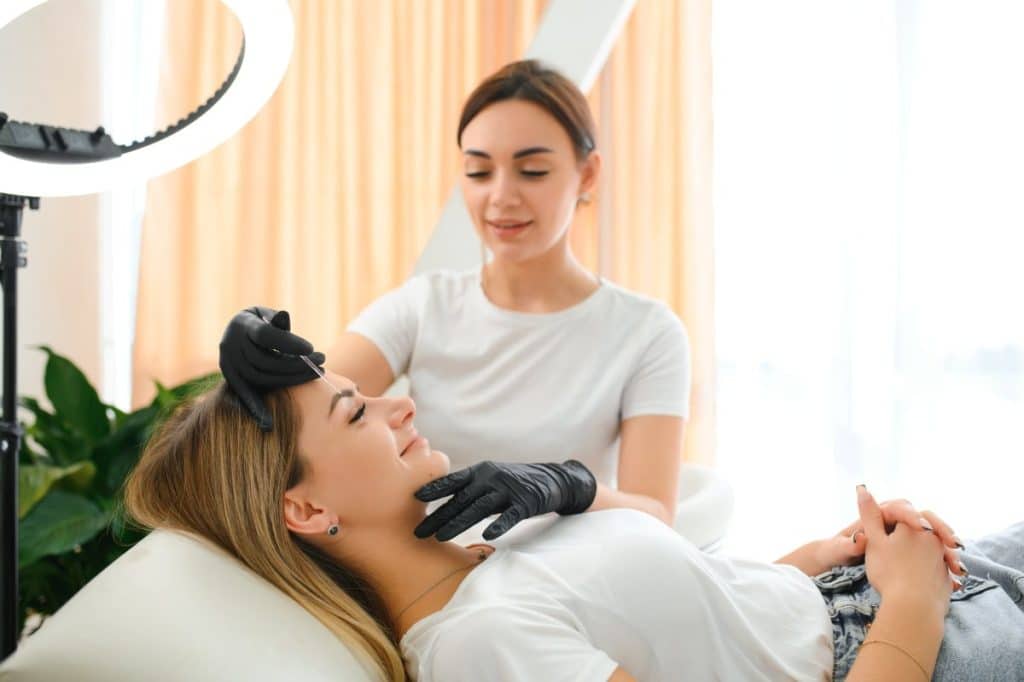
If you’re someone who wants to move into the industry, this is where the difference becomes very practical. Beauty training often begins with courses in nails, facials, or massage therapy. It’s approachable and relatively quick to start.
Aesthetics, on the other hand, demands more rigorous education – sometimes even prior qualifications in healthcare. The stakes are higher, both in terms of responsibility and earning potential. But here’s the exciting part: there are beginner-friendly entry points for aesthetics, designed for those who want to bridge the gap without jumping straight into advanced medical-level training.
This pathway reflects the industry itself: layered, evolving, and filled with opportunities to specialise.
Not necessarily. It depends entirely on what you’re after. Calling one “better” misses the point – they serve different purposes. Beauty treatments support routine care, confidence boosts, and a sense of wellbeing. Aesthetic treatments tackle specific issues and offer longer-lasting change.
We should probably also point out that aesthetics sometimes involve recovery time or side effects. Beauty treatments? Not so much – other than perhaps the occasional nail polish smudge. So choosing one over the other isn’t about superiority; it’s about what fits your needs, comfort levels, and budget at the moment.
So, how do you decide where you fit? Ask yourself: do you want to relax, recharge, and enjoy a temporary refresh – or are you looking for measurable, clinical changes that stick around?
Neither choice is wrong. In fact, many people alternate. A facial one month, a filler the next. Life rarely fits into tidy categories, and personal care is no exception.
The smartest approach is to research carefully, understand qualifications of practitioners, and be clear on your own goals. Sometimes we rush into trends because everyone’s posting results online – but what works for one person may not align with your lifestyle or expectations.
And there’s no shame in staying firmly in the beauty lane. Equally, there’s nothing strange about wanting to step into aesthetics. Both are valid. Both have merit.
When you strip away the branding and buzzwords, the difference between aesthetics and beauty is about depth, longevity, and intent. Beauty treatments care for the surface and soothe the spirit. Aesthetic treatments dig deeper, reshaping and correcting in ways that endure.
Rather than thinking of them as rivals, it might be more useful to view them as partners. Sometimes you want the comfort of a manicure, sometimes the confidence of a wrinkle-reduction treatment. One doesn’t cancel out the other.
The industry will keep shifting, new hybrid treatments will appear, and the language may blur even more. But for now, recognising the distinction helps us choose wisely – and perhaps even appreciate the full spectrum of what modern self-care offers.